Posted on Leave a comment

The Origin of Coffee: How the World Learned to Drink It

Coffee feels timeless now. It sits on kitchen counters, diner tables, workbenches, and gas station dashboards like it has always belonged there. But coffee did not begin as the everyday drink we know today. Its story starts with a plant native to Ethiopia, travels through Yemen and the wider Islamic world, then moves into Europe, Britain, and the Americas until it becomes one of the world’s most influential drinks. The exact beginning is still partly mysterious, but historians broadly agree on the path: wild coffee is linked to Ethiopia, while coffee as a brewed beverage took shape in Yemen and spread outward through trade, religion, and social life.

One of the best-known stories about coffee’s discovery is the legend of Kaldi, a goatherd in Ethiopia who noticed his goats becoming unusually energetic after eating coffee cherries. It is a memorable story, but it should be treated as legend, not hard proof. What matters more is that coffee plants were associated with the Ethiopian plateau, and at some point, likely by the 15th century, coffee plants were taken across the Red Sea to southern Arabia, especially Yemen, where they were cultivated intentionally. That shift matters because it marks the point where coffee moved from a regional plant into a managed crop with cultural and economic significance. 

Yemen is where coffee began to look more like the drink history remembers. Traditions recorded by major reference works hold that Sufi monks were among the first to brew coffee as a drink and use it to stay awake through night prayers. From there, coffee’s stimulating effect made it useful far beyond religious practice. It became a social beverage, then a commercial one. The port of Mocha in Yemen became deeply tied to the coffee trade, so much so that the word “mocha” still carries that history today. Coffee was no longer just a berry or a local custom. It had become a product, a ritual, and a portable habit. 

As coffee spread through the Arabian Peninsula and the Ottoman world, coffeehouses emerged as something bigger than places to get a drink. In Mecca in the 15th century and Constantinople in the 16th, coffeehouses became gathering places where people could talk, play games, listen to music, hear news, and discuss politics and ideas. The National Coffee Association describes these places as thriving public hubs, and Britannica notes that they became important meeting places for learning and conversation. That is one of the most important turns in coffee history: people did not just drink coffee for energy. They drank it together. Coffee became tied to conversation, public life, and community. 

When coffee reached Europe in the 17th century, it did more than introduce a new taste. It helped reshape public culture. Coffeehouses spread across the continent and became places where merchants, writers, thinkers, and ordinary citizens exchanged ideas. In Britain, coffeehouses became so influential that they were nicknamed “Penny Universities,” because for the price of admission and a cup of coffee, a person could enter a room full of information, debate, and opportunity. Royal Museums Greenwich notes that these coffeehouses helped circulate news quickly and even played a role in business history, with Lloyd’s of London tracing its beginnings to Lloyd’s Coffee House. Coffee was becoming linked not only to alertness, but to trade, discussion, and modern public life. 

Coffee’s rise in the American colonies carried its own meaning. In the early 1700s, tea was still strongly associated with British identity, but that began to change during the American Revolution. According to the White House Historical Association, coffee gained cultural force as colonists increasingly turned away from tea and toward coffeehouses, using coffee as part of a broader shift in political and social identity. That detail is worth noticing because it shows coffee was never only about flavor. From the Islamic world to Europe to early America, coffee has repeatedly become a symbol of shared habits, changing values, and new forms of public life. 

So how did people start drinking coffee? Not in one dramatic moment, and not for one single reason. Some drank it for religious devotion, some for its stimulating effect, some for trade, and many because it created a place to gather. That is why coffee endured. It answered several human needs at once: energy, ritual, hospitality, and conversation. Long before modern cafes and morning commutes, coffee was already doing what it still does now. It gave people a reason to pause, talk, think, and begin the day with purpose. 

Sources for readers

Encyclopaedia Britannica on the history of coffee and the rise of coffeehouses.  https://www.britannica.com/topic/history-of-coffee

National Coffee Association overview of coffee history and its spread from Ethiopia to Arabia and Europe. https://www.aboutcoffee.org/origins/history-of-coffee/

Smithsonian Magazine on Mocha, Yemen, and the early coffee trade. https://www.smithsonianmag.com/smart-news/your-mocha-named-after-birthplace-coffee-trade-180965016/

Royal Museums Greenwich on British coffeehouse culture and its role in commerce and public life. https://www.rmg.co.uk/stories/maritime-history/library-archive/how-coffee-has-shaped-britains-maritime-history

White House Historical Association on coffee’s role in early American culture. https://www.whitehousehistory.org/coffee-and-the-white-house

Posted on Leave a comment

Storytime Saturday

In the bustling town of Autoville, quirky mechanic Ben loved two things: cars and coffee. Every morning, he’d rev up his vintage car, Lucy, with a cup of medium-dark roast coffee named Smooth Drive.

One chilly morning, Ben’s coffee machine broke, so he brewed Smooth Drive the old-fashioned way. The rich aroma filled the garage, and magically, Lucy roared to life on the first try!

Word spread about Ben’s miraculous coffee. People came for repairs and a taste of Smooth Drive. Ben joked, “Smooth Drive is so good, even my car runs smoother!”

Mayor Gearson visited, tried Smooth Drive, and humorously declared it Autoville’s official fuel, saying, “If it can make our cars and days smoother, it’s a win-win!”

Autoville buzzed with Smooth Drive’s aroma. Everyone flocked to ramblerscramblercoffee.com to get this magical brew.

For a smooth ride and a smoother day, visit ramblerscramblercoffee.com. Get Smooth Drive, and maybe your car will purr like Lucy, filling your day with laughter and smooth rides!

Posted on Leave a comment

Why the Way You Brew Coffee Changes Everything

Most people think the bag of coffee is the whole story. It is not. The roast matters, the bean matters, and freshness matters, but the way you brew that coffee can completely change what ends up in your cup. A bold roast can come across smooth and rich in one brewer, then taste sharper or thinner in another. That is why two people can drink the same coffee and walk away with very different opinions about it.

Brewing is where flavor gets translated. Water temperature, contact time, grind size, and the type of brewer all pull different qualities from the same grounds. A French press tends to leave more of the coffee oils in the cup, which can create a heavier body and fuller mouthfeel. A pour-over often gives a cleaner, more focused cup that lets individual notes stand out more clearly. Drip coffee is dependable and practical, while espresso compresses flavor into a smaller, more intense experience. None of these methods are wrong. They simply highlight different sides of the coffee.

This matters for everyday coffee drinkers more than people realize. If your coffee tastes too bitter, too flat, or too weak, the answer may not be buying a different bag right away. You may just need a better match between roast and brewing method. A coffee that feels too sharp in a basic drip machine might come alive in a French press. A coffee that seems too heavy in a full-immersion brewer might become smoother and more balanced in a pour-over. Good coffee is not only about what you buy. It is also about how you treat it once it gets into your kitchen.

That is one reason we appreciate coffee that is sourced with clarity and balance in mind. When a coffee is roasted to bring out sweetness, structure, and drinkability, you have more room to experiment and still get a satisfying result. You do not need to be a professional barista or own expensive gear to notice the difference. Even simple adjustments can make your morning cup feel more intentional. Grind a little more evenly. Use water that is not boiling. Pay attention to brew time. Those small decisions stack up fast.

There is also something enjoyable about matching the brew method to the moment. Some mornings are fast and functional. You need a pot that gets the job done while you are packing lunches, heading to work, or getting the garage opened up. Other mornings are slower. You want the ritual. You want the sound of water pouring, the smell filling the kitchen, and a cup that tells you to settle down for a minute before the day gets loud. Coffee is practical, yes, but it is also an experience, and brew method shapes that experience more than most people think.

If you have been disappointed by coffee before, do not be too quick to blame the beans alone. Start by looking at the process. Try the same coffee in a different brewer. Adjust your grind. Measure a little more carefully. Give the cup a fair shot. You might discover that the coffee you thought was ordinary actually had a lot more to say. Sometimes the difference between a forgettable cup and one you look forward to every morning is not a new product. Sometimes it is simply a better brew.

That is part of what makes coffee fun in the first place. It is not just fuel. It is craftsmanship meeting routine. It is a daily habit with room for personality. Whether you like your cup bold, smooth, clean, or full-bodied, the brewer on your counter is helping write that story. So the next time your coffee tastes off, do not give up on it too quickly. Change the method, fine-tune the process, and see what happens. You may find your best cup has been waiting there all along.

Sources

Posted on Leave a comment

Light, Medium, or Dark? How Roast Level Changes Everything

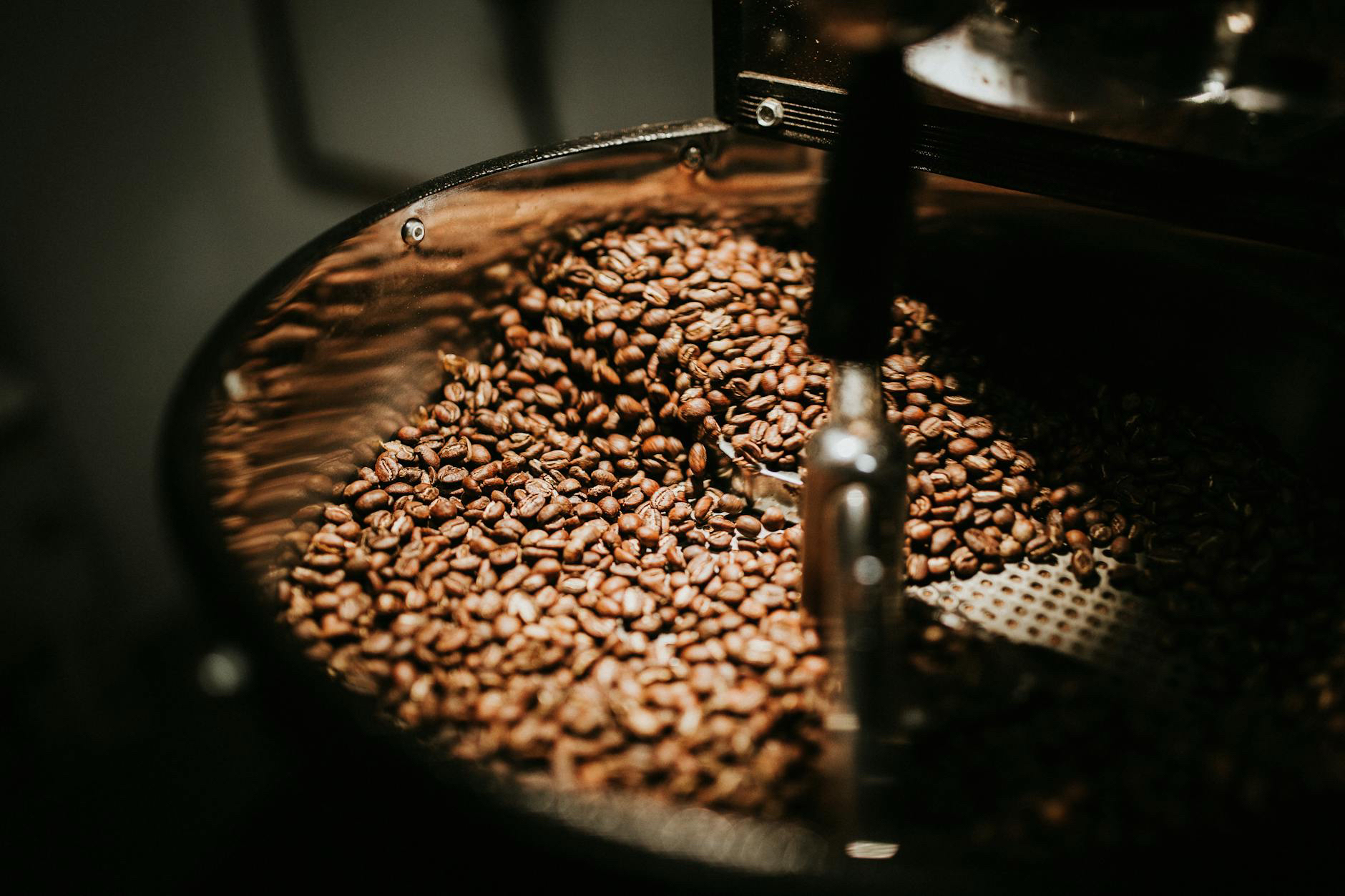
Coffee roasting is both science and art. At Rambler Scrambler Coffee, we work with expert roasters who monitor airflow, temperature, and development time for every batch. Why? Because the roast level determines the final flavor, body, and even the caffeine content of your brew.

Light roasts keep more of the bean’s original flavor, often tasting fruity or floral. They also tend to have the most caffeine. Medium roasts strike a balance—smooth, rounded, and often slightly nutty or chocolaty. Dark roasts are bold and rich, with deep notes of smoke, caramel, or spice. They’re less acidic and offer that full-bodied punch many love.

We offer roast levels to match your daily grind—whether you like your coffee to cruise smooth or race hard. So, what roast suits your ride?

Posted on Leave a comment

Not a type of coffee bean…

Did you know that espresso isn’t a type of coffee bean but a brewing method? By forcing hot water through finely ground coffee at high pressure, you get a rich, concentrated shot of flavor. It’s the base for many drinks, from lattes to cappuccinos. Espresso requires precision, much like tuning a muscle car engine. At Rambler Scrambler Coffee, we love the art of espresso—it’s bold, intense, and full of character. A perfect shot takes practice, but the result is worth it. Whether you’re pulling your own shots or enjoying one at your favorite café, take a moment to savor the craft. Just like the SC/Rambler, espresso packs a lot of power into a small frame. Fuel your day the espresso way! #EspressoLove #CoffeeEducation #FromBeanToCup #BoldAndBrewed #RamblerScramblerCoffee

Posted on Leave a comment

Tech Tuesday

Ever wondered about the journey from bean to cup? At Rambler Scrambler Coffee, we have our beans meticulously sourced and roasted to perfection. Our manufacturer’s state-of-the-art roasting process ensures each batch brings out the unique flavors inherent in every bean. For instance, our Distribution 50:50 roast offers a harmonious balance of creamy caramel, dried fruit, and citrus notes. This light-medium roast is perfect for those who appreciate a nuanced cup. Curious to learn more about our manufacturer’s roasting techniques? Stay tuned every #TechTuesday as we delve deeper into the art and science of coffee roasting. #CoffeeEducation #RamblerScramblerCoffee

Posted on Leave a comment

Choices made simple!

Not sure which roast to get? Let us help you find your perfect match! Each of our five unique roasts offers a distinctive flavor profile, designed to cater to various tastes and preferences. Explore our fun descriptions below and find the coffee that speaks to your soul. For more details, visit RamblerScramblerCoffee.com.

1. Hot Rod Canon: 

  Get ready for a bold adventure! Hot Rod Canon is a powerhouse with a big full body, featuring rich notes of dark chocolate and a whisper of smoke. Perfect for those who love their coffee with a strong and intense character.

   – Taste Profile: Dark Chocolate, Smoke, Full Body

Roast: Dark

2. Motor Oil:

 Smooth and balanced, Motor Oil is your go-to for a comforting yet sophisticated cup. With creamy milk chocolate, sweet dried fruit, and a touch of smoke, this blend is perfect for a luxurious coffee break.

   -Taste Profile: Milk Chocolate, Dried Fruit, Light Smoke

Roast: Medium-Dark

3. Distribution 50:50:

Can’t decide between smooth and vibrant? Distribution 50:50 is the best of both worlds, offering a harmonious blend of caramel sweetness, dried fruit richness, and a refreshing citrus zing. Ideal for those who appreciate a well-rounded coffee.

   – Taste Profile: Caramel, Dried Fruit, Citrus

Roast: Light-Medium

4. Late Night Cruise:

 Set sail on a journey of deep, luxurious flavors with Late Night Cruise. This roast is perfect for winding down, with its smoky undertones, rich dark chocolate, and ultra-smooth finish. The perfect companion for your evening relaxation.

   – Taste Profile: Smoke, Dark Chocolate, Smooth

Roast: Ultra Dark

5. Smooth Drive:

Rise and shine with Smooth Drive, an invigorating blend designed to kickstart your day. Bright and lively, this roast features zesty notes of citrus paired with a touch of caramel sweetness, making it the ideal morning pick-me-up.

   – Taste Profile: Citrus, Caramel, Bright

Roast: Medium-Dark

Discover your favorite roast today and elevate your coffee experience. Visit RamblerScramblerCoffee.com for more information and to make a purchase.

Posted on Leave a comment

What Makes Specialty Coffee ‘Special’?

Not all coffee is created equal. Some is pumped out by giant factories. Ours is roasted by hand, with purpose.

So what exactly makes a coffee specialty?

It Starts with the Bean

Specialty coffee comes from high-quality beans grown in optimal climates — typically at higher altitudes. These beans are carefully harvested, sorted, and evaluated by certified coffee graders. Only beans that score 80 points or higher (on a 100-point scale) make the cut.

No defects. No flat flavors. Just clean, complex, exceptional coffee.

Roasted With Precision

At Rambler Scrambler Coffee, we partner with expert roasters who use small-batch, tech-driven roasting methods to bring out the boldest flavors in every origin. Our roasting process uses infrared and smart control technology to maximize consistency and clarity — without burning away the nuance.

This means your coffee tastes just as good on the last sip as it did on the first.

It’s About the Full Journey

From bean to brew, specialty coffee is about doing things the right way — not the fast way. When you drink Rambler Scrambler, you’re choosing a brew with purpose, quality, and American grit in every cup.

👉 Shop our brews now and taste what specialty coffee should be.


Posted on Leave a comment

From Bean to Brew: The Rambler Scrambler Journey

Ever wondered what it really takes to get from green bean to your morning brew? At Rambler Scrambler Coffee, we’ve teamed up with expert roasters who treat sourcing and roasting as both a science and an art. From farm to cup, every step is intentional—designed to deliver clarity, character, and balance in every batch.

Sourcing: Quality Starts at Origin

Our roasting partners work with trusted importers around the world to source coffees that are clean, flavorful, and versatile. Each origin brings its own unique personality: light roasts from Africa lean bright and floral, while medium roasts from Central and South America showcase chocolate and stone fruit. A dark roast sourced from Indonesia delivers rich, smoky depth—without bitterness.

Every coffee selected is chosen not just for how it tastes on its own, but for how it performs across different brew methods. If it doesn’t meet the bar for clarity, balance, and consistency, it doesn’t make it into the roaster.

Roasting: Where Precision Meets Tradition

To unlock each bean’s potential, our roasters use the Loring S15—an advanced roasting machine that merges old-school craftsmanship with high-tech control. Its recirculating hot air system ensures even, repeatable roasting while preserving delicate flavors.

The result? Clean, consistent coffee with each batch roasted to highlight the bean’s natural qualities—not mask them.

Take our Distribution 50:50 roast, for example. This light-medium roast offers a smooth, layered profile with creamy caramel, subtle dried fruit, and a touch of citrus. It’s ideal for those who appreciate a cup with nuance and depth.

Always Fresh, Never Sitting

We make sure the coffee you receive is always fresh. Roasted weekly, most batches ship out within 2–3 days of production. That means what you brew is at peak flavor—not something that’s been sitting on a shelf for weeks.

Your Role in the Journey

While we don’t roast the beans ourselves, we’re deeply involved in curating and delivering coffee that meets our standards. We work closely with roasting partners whose values and attention to detail align with our own, ensuring every bag you receive is something we’re proud to stand behind.

Let’s brew something great—together.

Posted on Leave a comment

Coffee Fact Friday: Good Things Take Time (Just Ask a Coffee Plant!)

You think waiting for your morning brew is tough? Try being a coffee plant!

It takes a coffee tree 3 to 4 years just to grow its first batch of cherries — talk about patience. Once those cherries are ready, they’re picked, processed, and roasted to unlock all the flavors we obsess over.

Fun fact:

Light roasts are like the coffee’s natural glow-up — they keep more of the bean’s original, delicate flavors. Dark roasts? They go bold and bring out those rich, smoky vibes.

Whether you’re Team Light Roast or ride-or-die for Dark Roast, there’s a perfect cup out there with your name on it.


Which roast rules your world?

Drop your pick in the comments — we’re taking notes (and maybe judging just a little).