

Coffee has over 800 aromatic compounds—that’s more than wine! So next time you brew, take a moment to appreciate the complexity in your cup.
#CoffeeFacts #CoffeeComplexity #BrewingBeauty #RamblerScramblerCoffee
Coffee has over 800 aromatic compounds—that’s more than wine! So next time you brew, take a moment to appreciate the complexity in your cup.
#CoffeeFacts #CoffeeComplexity #BrewingBeauty #RamblerScramblerCoffee

Did you know coffee beans are actually seeds? They’re the pits of a cherry that grows on coffee trees!
#CoffeeFacts #CoffeeSeeds #FromCherryToCup #RamblerScramblerCoffee
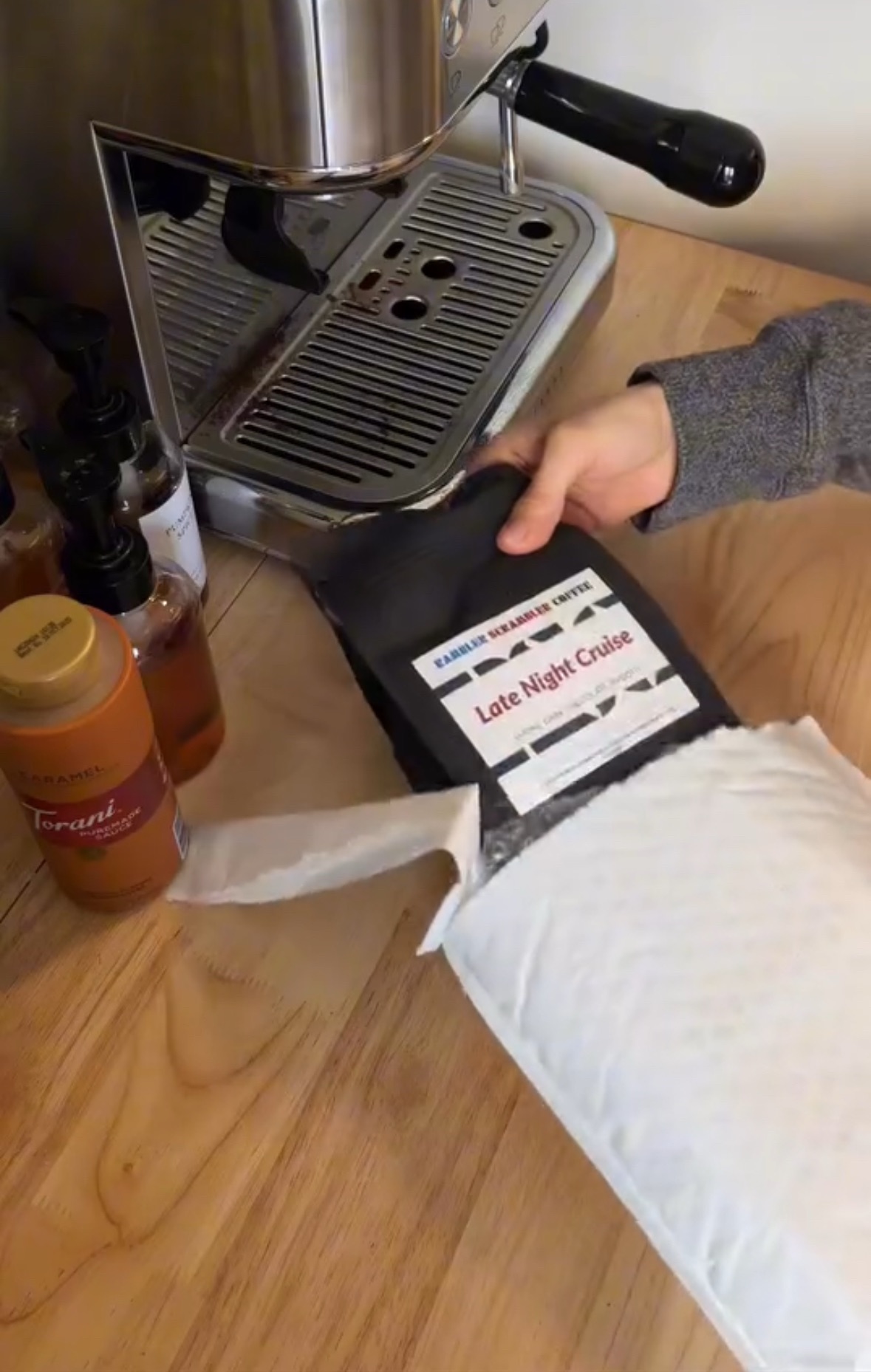
New review hot off the press!
“First off love the packaging! A lot of coffee packaging doesn’t have a proper way of closing this one is great. It does come out very creamy which I love! This is most likely just a preference but it does seem to be fairly stronger/bolder then the beans I’m used to. Just means I get a bigger kick out of them 💪🏼 I do love the taste tho I can definitely get the Smokey notes and chocolate notes it’s great! 👍”
By @ali_model98
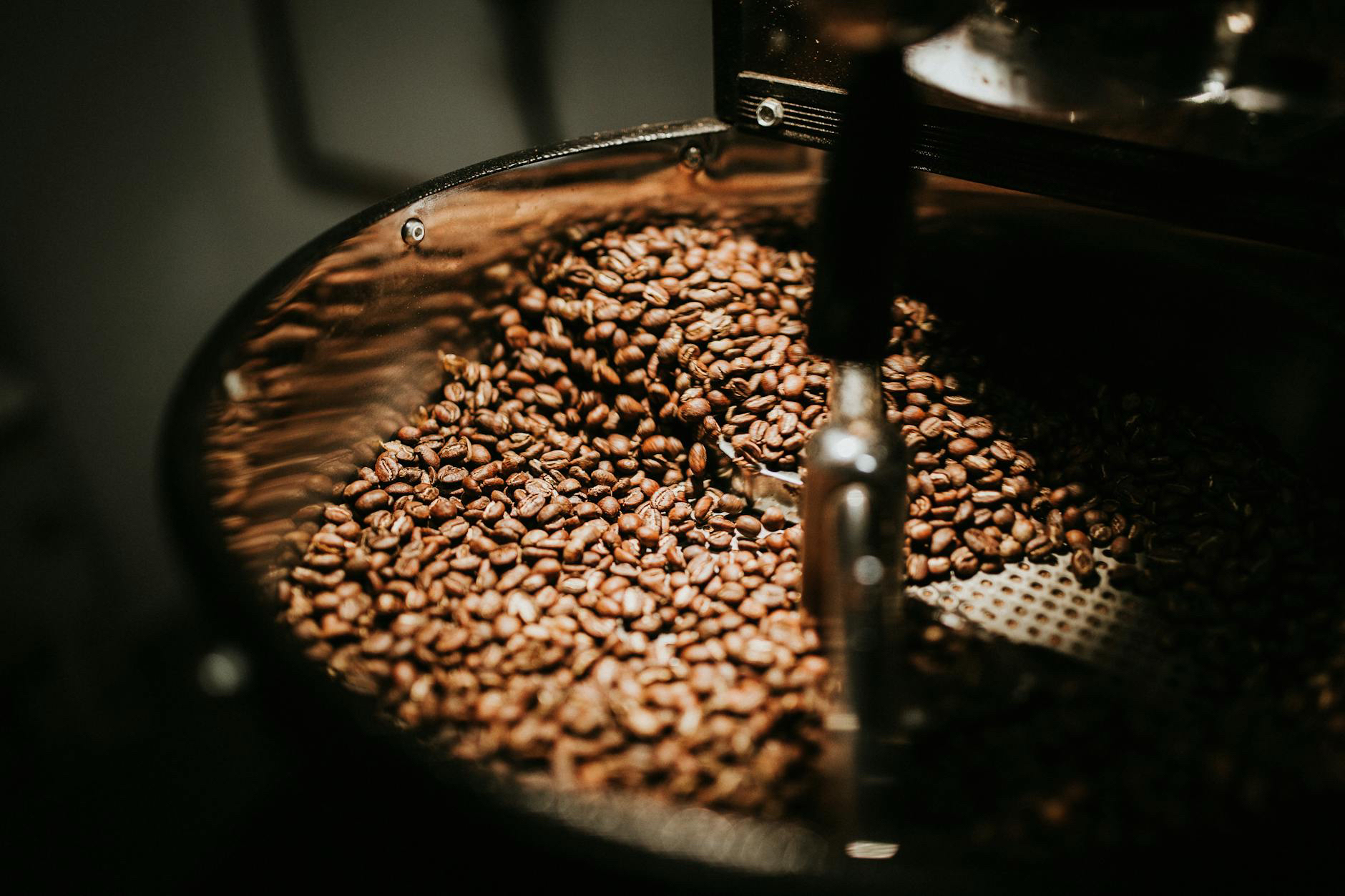
Coffee roasting is an art that brings out a bean’s unique flavors. A few minutes too long or too short can change the taste entirely!
#CoffeeRoasting #CoffeeFacts #FromBeanToCup #RamblerScramblerCoffee

Coffee’s journey starts on a tree, but it’s what happens next that makes all the difference. After being picked, the coffee cherry undergoes processing to extract the bean. There are two main methods: dry and wet. In the dry method, the cherries are spread out to dry in the sun, resulting in beans with fruity, bold flavors. The wet method, on the other hand, uses water to remove the fruit, yielding a cleaner, brighter cup. At Rambler Scrambler Coffee, we’re fascinated by how each process brings out unique characteristics in the beans. Much like how every car tells a story, every cup of coffee speaks of its origin and processing. And just as every muscle car demands precision engineering, great coffee demands attention to detail. So here’s to celebrating craftsmanship—whether it’s behind the wheel or in the cup!
#CoffeeProcessing #CoffeeEducation #RamblerScramblerCoffee #FromBeanToCup #CoffeeCraftsmanship

Coffee’s journey starts on a tree, but it’s what happens next that makes all the difference. After being picked, the coffee cherry undergoes processing to extract the bean. There are two main methods: dry and wet. In the dry method, the cherries are spread out to dry in the sun, resulting in beans with fruity, bold flavors. The wet method, on the other hand, uses water to remove the fruit, yielding a cleaner, brighter cup. At Rambler Scrambler Coffee, we’re fascinated by how each process brings out unique characteristics in the beans. Much like how every car tells a story, every cup of coffee speaks of its origin and processing. And just as every muscle car demands precision engineering, great coffee demands attention to detail. So here’s to celebrating craftsmanship—whether it’s behind the wheel or in the cup!
Ever wondered about the journey from bean to cup? At Rambler Scrambler Coffee, we have our beans meticulously sourced and roasted to perfection. Our manufacturer’s state-of-the-art roasting process ensures each batch brings out the unique flavors inherent in every bean. For instance, our Distribution 50:50 roast offers a harmonious balance of creamy caramel, dried fruit, and citrus notes. This light-medium roast is perfect for those who appreciate a nuanced cup. Curious to learn more about our manufacturer’s roasting techniques? Stay tuned every #TechTuesday as we delve deeper into the art and science of coffee roasting. #CoffeeEducation #RamblerScramblerCoffee

Sundays are for relaxation and enjoying a good cup of coffee! What’s your go-to coffee recipe for a lazy Sunday? ☕️
#SundayFunday #CoffeeRecipes #Relaxation
Be your own barista and use only the freshest and richest coffee grounds, or if you’re a purist, whole beans, for your delightful cup of coffee. Bon appétit ☕️❤️
☕️ramblerramblercoffee.com☕️

How does the origin of coffee beans impact their flavor profile?
The origin of coffee beans greatly impacts their flavor profile. Beans from Africa tend to have fruity and floral notes, while beans from Latin America often exhibit chocolatey and nutty flavors. Asian beans typically have earthy and spicy characteristics.


