Posted on — Leave a comment

What Does “Bold Coffee” Actually Mean? Strong, Dark and Bold Aren’t the Same Thing

Walk down the coffee aisle and you’ll see the word bold everywhere.

Bold roast. Bold flavor. Bold blend.

Then there’s “strong,” “dark,” “rich,” and occasionally enough coffee terminology to make you wonder whether you need a certification before you’re allowed to make breakfast.

You don’t.

But there is one useful thing to know: bold, strong and dark don’t necessarily mean the same thing.

Understanding the difference can make it much easier to find the coffee you actually enjoy.

What Is Bold Coffee?

Here’s where things get interesting: “bold” isn’t a precise measurement like temperature or weight.

When someone describes coffee as bold, they’re usually talking about the overall impression the coffee makes.

It might have:

  • A fuller, heavier flavor
  • A substantial mouthfeel
  • Roasted, chocolatey or smoky characteristics
  • Flavors that remain noticeable after adding cream
  • A lingering finish

In ordinary language, bold coffee tends to be coffee that doesn’t quietly disappear in the background.

But that doesn’t necessarily make it strong.

Bold Coffee vs. Strong Coffee

This distinction is probably the most useful one.

Strength is heavily influenced by how you brew the coffee.

Use more ground coffee with the same amount of water, and you’ll generally make a stronger cup. Use less coffee with the same amount of water, and you’ll make a weaker one.

Coffee professionals call this the brew ratio: the relationship between the amount of coffee grounds and the amount of brewing water.

You don’t need to start weighing everything in your kitchen to understand the concept.

Think of lemonade.

If you add a little lemonade concentrate to a large glass of water, it’s weak. Add considerably more concentrate to that same glass, and it’s strong.

Coffee works on a similar principle.

That means you can take a relatively light roast and brew it strong.

You can also take a very dark roast and brew it weak.

Roast level and brew strength are two different controls.

So What Does Dark Roast Mean?

Now we’re talking about the roasting process rather than your brewing recipe.

Green coffee beans change dramatically as they’re heated. The roasting process develops the aromas, flavors and colors we associate with coffee.

Generally speaking, lighter roasting preserves more characteristics associated with the coffee itself, while progressively darker roasting creates more pronounced roast-derived flavors.

That is one reason darker coffees may be described as smoky, roasty, bittersweet or intense.

Our coffee source specifically selects coffees for qualities including clarity, balance and natural sweetness and uses a precision-controlled hot-air roasting system designed to produce consistent batches.

That consistency matters.

You shouldn’t have to wonder whether the coffee you enjoyed last time is going to taste completely different when you order it again.

And What Is “Body”?

Here’s another coffee term that’s actually useful once somebody explains it.

Body is essentially how substantial the coffee feels in your mouth.

Think about the difference between skim milk and whole milk.

Both are milk, but they don’t feel the same when you drink them.

Coffee can have a lighter, tea-like body or a heavier, fuller body.

Body isn’t exactly the same thing as flavor intensity, but the two can contribute to your overall perception of a coffee as “bold.”

Does Bold Mean Bitter?

Definitely not.

Bitterness is a normal component of coffee, but an unpleasantly bitter cup can have several causes.

Roast level can influence bitterness, but so can brewing.

Water temperature, grind size, brew time and extraction all affect what ends up in your cup.

Extraction is simply the process of water pulling soluble compounds out of ground coffee.

That’s it.

No lab coat required.

If the brewing process pulls an undesirable balance of compounds from the grounds, your coffee may taste harsh or unpleasant. Changing the brewing method can sometimes make a substantial difference without changing the coffee at all.

What Should You Buy If You Say, “I Like Strong Coffee”?

This is the question I’d ask next:

What do you mean by strong?

If you want deep roasted flavors that stand up to cream, you’re probably describing a preference for a darker, bolder coffee.

If you enjoy your current coffee but wish it packed more punch, you may simply need to adjust how much coffee you’re using.

If you want something substantial without pronounced dark-roast characteristics, you might prefer a medium roast with good body.

And if “strong” means “I need caffeine immediately because somebody scheduled a 7 a.m. meeting,” that’s another question entirely.

The important part is this:

You don’t have to know coffee terminology to know what tastes good to you.

Coffee terminology is supposed to help us describe what we’re tasting—not turn drinking coffee into an entrance exam.

So next time somebody asks whether you like your coffee bold, strong or dark, you’ll know there actually is a difference.

And if you’d still rather answer, “Just give me something that tastes like coffee,” we respect that too.

The short answer: Bold coffee generally describes a coffee with an intense, noticeable flavor. Strong coffee describes how concentrated the brewed coffee is, while dark roast describes how far the beans were roasted. A coffee can be bold without being brewed strong—and strong coffee doesn’t necessarily have to be dark.

Posted on — Leave a comment

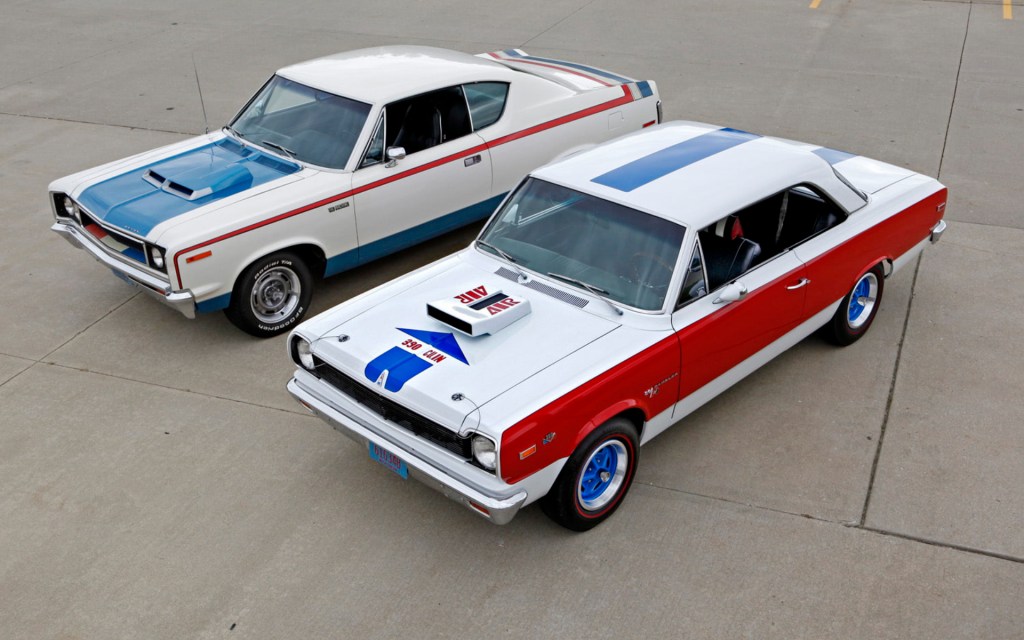
Brewed for Muscle

There are two kinds of people in the morning.

The first group hits the snooze button three times, stumbles into the kitchen, and wonders why they stayed up until midnight watching car restoration videos.

The second group? They were already in the garage before sunrise, coffee in hand, staring at an engine like it personally offended them.

If you know which end of a wrench to hold—or at least appreciate the sound of a V8 rumbling to life—you already understand one simple truth:

High-octane mornings start with Rambler Scrambler Coffee.

There’s just something about that first cup. It’s the unofficial green flag for the day. Before the emails, before the errands, before someone asks you to “just take a quick look” at their mysterious check engine light, there’s coffee.

Good coffee.

Not the burnt stuff that’s been sitting on a gas station warmer since yesterday. Real coffee. The kind that smells so good it almost convinces you getting out of bed was your idea.

Coffee and Cars Just Make Sense

Car people are a different breed.

We’ll spend six hours chasing down a strange rattle that only happens on left turns, but somehow convince ourselves we don’t have time to eat breakfast.

We’ll debate oil brands like they’re family traditions.

We’ll tell ourselves, “I’m just going to wash the car,” and suddenly it’s four hours later, the wheels are polished, the interior is spotless, and the lawn still hasn’t been mowed.

Coffee fits right into that lifestyle.

It fuels early mornings at swap meets, long drives to car shows, Saturdays in the garage, and those late nights when “one more project” somehow turns into midnight.

More Than Just Caffeine

At Rambler Scrambler Coffee, we believe a great cup should do more than wake you up.

It should make you slow down for a minute.

Take a sip.

Watch the sunrise.

Listen to the birds—or the rumble of an old muscle car firing up down the road.

Some of the best conversations happen over coffee. Some of the best memories begin with a full tank of gas and a fresh mug in your hand.

That’s what we’re after.

Life Doesn’t Need to Be Fancy

You don’t need a six-figure restoration or a showroom-perfect classic to appreciate the journey.

Maybe your project car has been sitting on jack stands for three years.

Maybe your daily driver has more miles than you care to admit.

Maybe your garage is just a folding chair on the driveway and a toolbox that’s older than you are.

That’s okay.

Coffee isn’t about perfection.

It’s about showing up.

Start the Day Right

Tomorrow morning, skip the snooze button.

Brew a pot.

Step outside.

Take a deep breath.

Whether you’re heading to work, wrenching in the garage, or packing up for the next car show, give yourself five quiet minutes before the day takes off.

Because engines run better with the right fuel.

People usually do too.

High-octane mornings start with Rambler Scrambler Coffee.

Now grab your keys, fire it up, and make today worth the drive.

RamblerScramblerCoffee.com

Posted on — Leave a comment

Cold Brew Coffee: The Summer Fuel That Still Has Some Backbone

Hot coffee has its place. Early mornings. Cold garages. Long drives before sunrise. But when summer hits and the heat starts coming off the pavement, a steaming mug is not always the best fit.

That is where cold brew earns its spot.

Cold brew is not just iced coffee. It is smoother, stronger, and better suited for summer days when you still want real coffee without feeling like you are drinking hot motor oil in July.

And no, it does not need to be loaded with sugar to taste good.

What Makes Cold Brew Different?

Regular iced coffee is usually brewed hot, cooled down, and poured over ice. That works, but it can sometimes taste sharp or watered down.

Cold brew is made differently. Coffee grounds steep in cold water for several hours, usually overnight. Because there is no hot water pulling out as much bitterness, the final drink tends to be smoother and easier to drink cold.

That makes cold brew a solid summer choice for people who like coffee but do not want something harsh, thin, or overly sweet.

How to Make Basic Cold Brew

You do not need fancy equipment. A jar, coffee grounds, water, and a strainer will do the job.

Basic Cold Brew Recipe

Ingredients:

  • 1 cup coarse ground coffee
  • 4 cups cold water

Directions:
Add the coffee grounds to a large jar or pitcher. Pour in the cold water and stir. Cover it and let it sit in the fridge for 12 to 18 hours.

After steeping, strain the coffee through a fine mesh strainer, coffee filter, or cheesecloth. Store the cold brew in the fridge.

Serve over ice.

If it tastes too strong, add a little water. If it tastes too light, use less water next time or steep it longer.

Make It Strong, Not Sweet

A lot of store-bought cold brew drinks turn into dessert fast. Sweet cream, syrups, chocolate, caramel, and whipped topping can take over the cup.

For a more straightforward cold brew, try this instead:

No-Nonsense Cold Brew

Ingredients:

  • 6 to 8 ounces cold brew
  • Ice
  • Splash of half-and-half
  • Tiny pinch of salt
  • Optional: small drizzle of maple syrup

Directions:
Fill a glass with ice. Add cold brew. Stir in a splash of half-and-half and a tiny pinch of salt. Add a small amount of maple syrup only if you want a little sweetness.

The salt helps smooth the coffee without turning it into a sweet drink. Use a light hand. You should not taste salt. You should just notice the coffee tastes rounder.

Make a Cold Brew Concentrate

If you want cold brew with more horsepower, make a concentrate.

Use:

  • 1 cup coarse ground coffee
  • 3 cups cold water

Steep it the same way, then dilute it when serving. This gives you more control. Add water, milk, or ice depending on how strong you want it.

This is also a smart option if you want to prep coffee for several days at once.

Best Times to Drink Cold Brew

Cold brew fits summer life well.

It is great for:

  • Early mornings before the heat builds
  • Long drives
  • Car shows
  • Garage work
  • Yard work breaks
  • Afternoon coffee without heating up the kitchen

It is also easy to take with you. Pour it in a travel cup, add ice, and go.

The Bottom Line

Cold brew is one of the best ways to keep drinking good coffee during the summer without watering it down or drowning it in sugar.

It is smooth, strong, easy to make, and built for hot weather.

That is the kind of summer coffee that makes sense: cool in the cup, bold in flavor, and strong enough to keep up with the day.

Posted on — Leave a comment

Cold Coffee Without the Candy: How to Keep Your Summer Coffee Strong

When the temperature climbs, a hot cup of coffee does not always sound like the best idea. But that does not mean you have to trade your coffee for some sugar-loaded drink that tastes more like melted ice cream than coffee.

A good summer coffee should still taste like coffee.

It should be bold, smooth, refreshing, and easy to drink while you are working in the garage, heading to a car show, mowing the lawn, or taking a backroad drive with the windows down.

The trick is simple: keep the coffee strong, keep the sugar low, and build the drink around flavor instead of sweetness.

Start With Strong Coffee

The biggest mistake people make with iced coffee is brewing it too weak. Once coffee hits ice, it gets watered down fast. If you brew a normal cup and pour it over ice, you may end up with something thin and disappointing.

For better iced coffee, brew your coffee a little stronger than usual.

Try using:

  • A darker roast for more punch
  • Slightly more coffee grounds than normal
  • Less water during brewing
  • Coffee ice cubes instead of regular ice

Coffee ice cubes are easy. Just pour leftover coffee into an ice cube tray and freeze it. The next time you make iced coffee, use those cubes instead of plain ice. As they melt, they add more coffee instead of watering everything down.

That is the kind of upgrade that makes sense.

Skip the Syrup Trap

There is nothing wrong with a little sweetness now and then, but a lot of summer coffee drinks go overboard. Caramel, whipped cream, chocolate drizzle, flavored syrups, and sweet cream can bury the actual coffee flavor.

For a more rugged summer cup, keep it simple.

Good low-sugar add-ins include:

  • A splash of half-and-half
  • Unsweetened vanilla almond milk
  • A small amount of maple syrup
  • A pinch of cinnamon
  • A dash of cocoa powder
  • A little sea salt

That last one may sound strange, but a tiny pinch of salt can smooth out bitterness without making the coffee sweet. Do not overdo it. You are not seasoning a steak. Just a pinch.

Make a Garage-Ready Iced Coffee

Here is a simple summer coffee that still tastes like something a grown man would drink.

Strong Iced Coffee

Ingredients:

  • 8 to 10 ounces strong brewed coffee, cooled
  • Coffee ice cubes or regular ice
  • Splash of half-and-half
  • Pinch of cinnamon
  • Optional: 1 teaspoon maple syrup

Directions:
Brew your coffee strong and let it cool. Fill a glass with ice, pour the coffee over it, and add a splash of half-and-half. Add cinnamon and stir. If you want a touch of sweetness, add a small amount of maple syrup.

That is it.

No whipped cream. No candy syrup. No nonsense.

Try Cold Brew for a Smoother Ride

Cold brew is another great option for summer because it is naturally smoother and less bitter than hot-brewed coffee. It also keeps well in the fridge, which makes it convenient if you want coffee ready to go before work or before a weekend event.

To make it, combine coarse ground coffee and cold water in a jar, let it sit overnight, then strain it the next day.

A good starting ratio is:

  • 1 cup coarse ground coffee
  • 4 cups cold water

Let it steep for 12 to 18 hours, then strain it. Serve over ice. Add milk or cream only if you want it.

Cold brew gives you a strong, clean coffee flavor without needing to cover it up.

The Bottom Line

Summer coffee does not have to be weak, watery, or loaded with sugar.

Keep it strong. Keep it simple. Let the coffee do the work.

A good iced coffee should cool you down without making you feel like you just drank a milkshake. Whether you are headed to the garage, the shop, the driveway, or the next car show, there is no reason to park your coffee habit just because the weather got hot.

Fuel up. Stay cool. Keep rolling.