Introduction to Kenosha’s Automotive Significance
Kenosha, Wisconsin, is more than a scenic city on the shores of Lake Michigan—it is a cornerstone of American automotive heritage. While often overshadowed by Detroit in discussions of auto industry hubs, Kenosha has played a pivotal role in shaping car manufacturing in the United States. With a legacy rooted in innovation, resilience, and community, this city’s contributions to the automotive sector deserve to be celebrated and remembered.
From the early 20th century to the late 1980s, Kenosha was home to some of the most influential names in car manufacturing, including Nash Motors, Hudson, and eventually American Motors Corporation (AMC). The city became known not only for producing cars but for cultivating a spirit of engineering excellence and design innovation. For decades, the rhythmic hum of assembly lines and the pride of skilled workers defined the identity of Kenosha.
The Dawn of Auto Manufacturing in Kenosha
At the turn of the 20th century, Kenosha was already an industrial center, thanks to its railways, waterways, and strategic Midwest location. Recognizing these advantages, manufacturers began establishing production plants in the city. Among the first to do so were early automobile makers who saw Kenosha as fertile ground for innovation and mass production.
The city’s infrastructure supported large-scale operations, making it an attractive base for companies seeking to scale up car production. Kenosha’s workforce, known for its skill and dedication, became a vital asset to these companies, laying the foundation for what would become a century-long legacy of automotive craftsmanship.
Nash Motors: A Trailblazer in Innovation
Founded by Charles W. Nash in 1916, Nash Motors quickly gained a reputation for forward-thinking design and engineering. Under Nash’s leadership, the company focused on producing high-quality, practical vehicles that appealed to a growing middle class. Nash Motors was one of the first to offer features such as heating and ventilation systems, demonstrating a commitment to driver comfort and safety.
The success of Nash Motors set the stage for Kenosha to become a serious player in the national automotive landscape. Its cars were seen as reliable and well-made, helping the company build a loyal customer base and a strong reputation.
Hudson Motor Car Company’s Role in Kenosha
While Hudson was originally based in Detroit, its eventual merger with Nash brought it into the Kenosha fold. Before the merger, Hudson had carved out a niche in producing sleek, performance-oriented vehicles. Known for models like the Hudson Hornet, the company emphasized speed and engineering precision.
When Hudson joined forces with Nash, it not only brought its brand to Kenosha but also contributed valuable design expertise and production techniques. This collaboration enriched Kenosha’s manufacturing capabilities and broadened its influence in the U.S. car market.
The Merger: Nash + Hudson = AMC
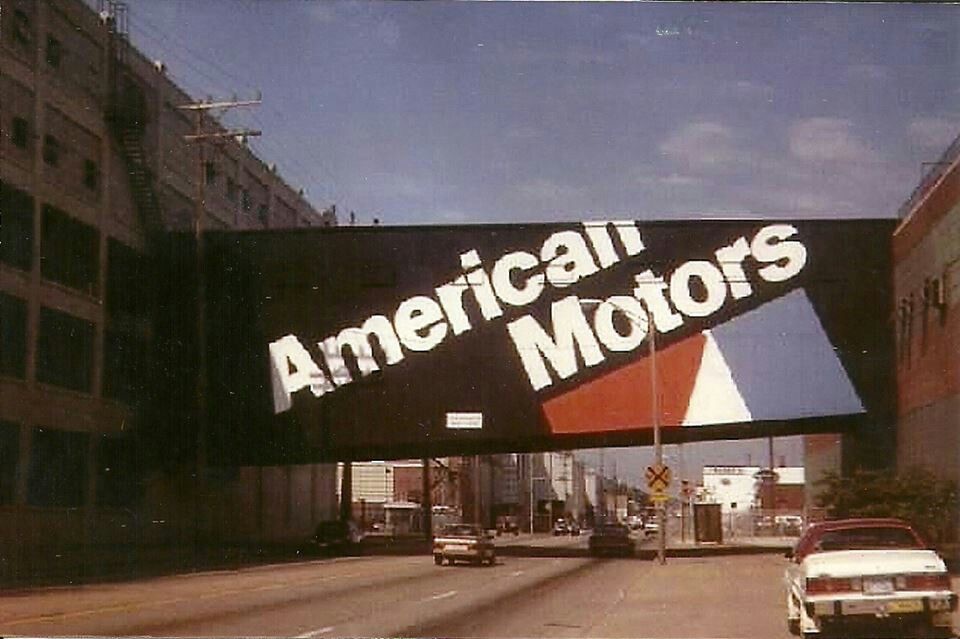
In 1954, Nash and Hudson merged to create American Motors Corporation (AMC), a bold move designed to compete with Detroit’s Big Three automakers: Ford, General Motors, and Chrysler. The newly formed AMC brought together the best elements of its parent companies, blending innovation with efficient design and manufacturing processes.
This merger marked a turning point for Kenosha. The city became the headquarters for AMC, elevating its status in the industry. With a clear vision to offer compact, economical vehicles, AMC distinguished itself in a market increasingly dominated by large, gas-guzzling cars.
American Motors Corporation’s Rise to Fame
AMC wasted no time in making its mark. During the 1950s and 1960s, the company introduced a range of successful models that captured the public’s imagination. Compact cars like the Rambler were celebrated for their fuel efficiency and affordability—qualities that resonated with budget-conscious American families.
By the 1960s, AMC had become the fourth-largest automaker in the U.S., a testament to the ingenuity and determination of its leadership and workforce. While it never surpassed the Big Three, AMC carved out a loyal niche and developed a legacy that continues to be celebrated by car enthusiasts today.
The Rambler Revolution
One of AMC’s most iconic contributions was the Rambler. First produced under the Nash name and later continued by AMC, the Rambler became a symbol of practicality, innovation, and style. It was one of the first compact cars to achieve mass-market success in the U.S., challenging the status quo of bigger being better.
Kenosha was the heart of Rambler production. The city’s factories churned out hundreds of thousands of these vehicles, each one representing a piece of Kenosha’s industrial soul. The Rambler’s success helped solidify AMC’s reputation and put Kenosha on the map as a center of automotive excellence.
Engineering and Design Innovation in Kenosha
Kenosha wasn’t just known for production—it was a hub of innovation. Engineers and designers in the city continually pushed boundaries to develop cars that were more efficient, stylish, and safe. From introducing unit-body construction to advancing suspension systems, AMC’s Kenosha plants were at the forefront of automotive engineering.
One notable innovation was AMC’s focus on compact and fuel-efficient cars long before the 1970s oil crisis made such features essential. This foresight allowed AMC to stay ahead of consumer trends and maintain relevance in a highly competitive industry. Safety also became a hallmark of Kenosha-built cars, with early adoption of seat belts and impact-absorbing designs.
Workforce and Community Impact
The automotive industry shaped not just the economy of Kenosha, but its entire way of life. For decades, auto plants were among the city’s largest employers, providing stable, well-paying jobs for thousands of families. Generations worked side by side—fathers, mothers, sons, and daughters—all contributing to the legacy of Kenosha-made vehicles.
This workforce formed a close-knit community, one where pride in craftsmanship and loyalty to the company were deeply ingrained. Events like company picnics, holiday parties, and parades strengthened the bond between workers and their city. The plants were more than just places of employment—they were the heartbeat of Kenosha.
Kenosha in the National Auto Narrative
While Detroit earned the title “Motor City,” Kenosha quietly built a name for itself as a vital contributor to the national automotive story. The vehicles produced in this small Wisconsin city found their way into every corner of the country, from bustling cities to quiet rural towns.
Automotive historians often highlight Kenosha’s influence in the development of compact and efficient vehicles. Unlike the larger automakers, AMC (and thus Kenosha) consistently prioritized innovation over sheer scale. This mindset helped shift American automotive trends and left a lasting imprint on the industry.
Challenges and Industry Decline in the 1980s
Despite its successes, the Kenosha automotive industry began facing serious challenges in the 1980s. Global competition from Japanese and European automakers intensified. These rivals offered better fuel efficiency, reliability, and modern designs—areas where American manufacturers, including AMC, struggled to keep up.
In 1987, AMC was acquired by Chrysler, and the identity of Kenosha’s automotive sector began to fade. Over the following years, Chrysler reduced operations, eventually ceasing auto production in Kenosha altogether by 2010. The closures marked the end of an era and brought profound economic and emotional impact to the community.
What Remains Today: Landmarks and Legacies
Though production lines have fallen silent, the legacy of Kenosha’s auto industry endures. Former factory buildings have been repurposed into museums, community centers, and historical landmarks. The Kenosha History Center proudly showcases exhibits on Nash, Hudson, and AMC, preserving the memories of a bygone era.
Each year, Kenosha hosts car shows that attract AMC enthusiasts from across the country. These events serve not only as celebrations of classic cars but as reunions for former workers and their families—reminders of a proud tradition built on hard work and innovation.
Kenosha-Made Vehicles That Shaped History
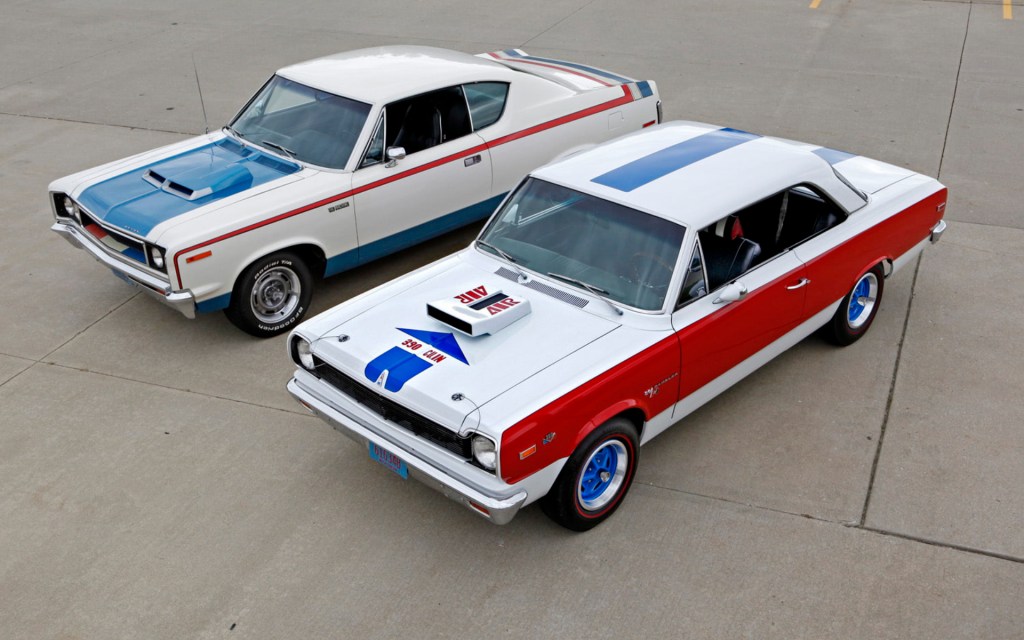
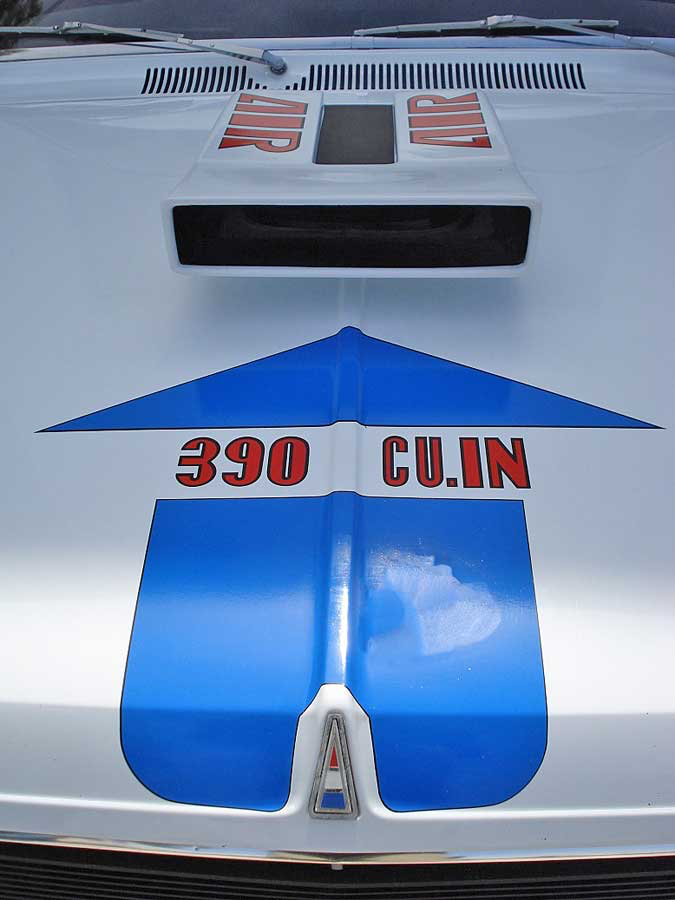
Some of the most influential cars in American history rolled off the lines in Kenosha. The Nash Rambler, for instance, was among the first compact cars to gain mass popularity. The AMX, a high-performance sports car, showcased AMC’s engineering prowess and has become a sought-after collector’s item.
Other iconic models include the Javelin, Gremlin, Hornet, and Pacer—all of which brought something unique to the automotive world. These vehicles reflected the creativity and daring spirit of Kenosha’s manufacturers and continue to be celebrated in classic car circles.
Kenosha’s Role in Modern Auto History Discussions
Even today, Kenosha’s role in auto history is studied in schools, museums, and media. Documentaries and books often explore the rise and fall of AMC and the unique position Kenosha held in the automotive industry. Automotive clubs and online communities dedicated to AMC cars keep the legacy alive through restoration projects and historical discussions.
Educational programs at local institutions often include segments on Kenosha’s industrial past, ensuring future generations understand the significance of their city’s contributions to one of the country’s most important industries.
Local Voices: Memories from Kenosha’s Automotive Era
Ask any longtime Kenoshan, and you’ll hear heartfelt stories about working on the assembly lines, engineering new models, or simply growing up in a city powered by the auto industry. Former employees recall the camaraderie, the excitement of new model unveilings, and the pride in seeing a car on the road that they helped build.
Artifacts such as old uniforms, time cards, and photographs continue to be treasured by families, while local archives preserve thousands of documents that chronicle this vibrant chapter of Kenosha’s past.
FAQs About Kenosha Wisconsin Automotive History
- 1. What companies built cars in Kenosha, Wisconsin?
Kenosha was home to Nash Motors, Hudson Motor Car Company, and later American Motors Corporation (AMC). Eventually, Chrysler also took over AMC’s operations.
- 2. What was the Rambler, and why was it significant?
The Rambler was a compact car that became popular for its fuel efficiency, reliability, and innovative design. It symbolized AMC’s approach to practical and forward-thinking vehicles.
- 3. When did car manufacturing end in Kenosha?
Though AMC was acquired by Chrysler in 1987, car manufacturing in Kenosha officially ended in 2010 with the closure of the last Chrysler engine plant.
- 4. Are they there any AMC car shows or museums in Kenosha today?
Yes, Kenosha hosts annual car shows dedicated to AMC vehicles, and the Kenosha History Center features detailed exhibits on the city’s automotive past.
- 5. Why was Kenosha important to the American auto industry?
Kenosha was a hub of innovation, producing compact and efficient cars long before they became mainstream. Its manufacturers helped shape automotive trends and contributed significantly to the national market.
- 6. Can I visit the old AMC factory buildings?
Some former AMC sites have been repurposed or preserved as historical landmarks. Visitors can explore related exhibits and learn more at local museums.
Conclusion: Honoring the Spirit of Innovation and Community
Kenosha’s journey through the annals of American automotive history is a story of innovation, resilience, and community pride. While the assembly lines have gone quiet, the impact of this small Wisconsin city continues to resonate in car culture across the nation. From the Nash Rambler to the high-performance AMX, Kenosha left a mark that car lovers and historians will cherish for generations.
As we look to the future of transportation, the legacy of Kenosha serves as a powerful reminder that greatness often begins in unexpected places—with people passionate about building something that moves the world forward.
Like this:
Like Loading...